Pathophysiology: Disease Mechanisms Explained
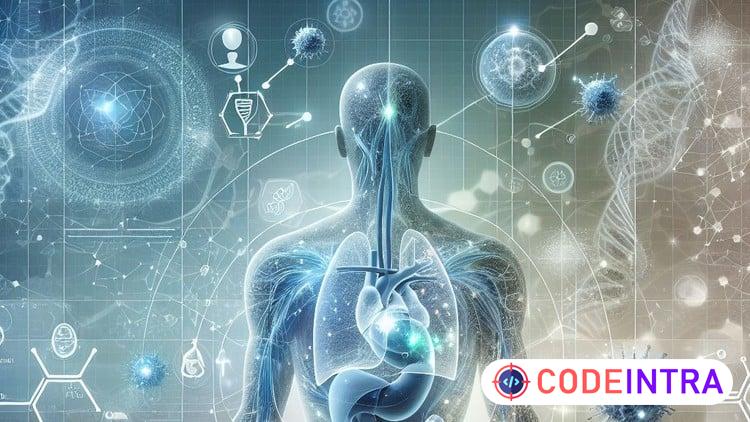
Master how cardiovascular, respiratory, renal, endocrine, GI, and neurological diseases disrupt normal body function

Make Someone's Day
Share this incredible course!
This course contains the use of artificial intelligence.
Every clinical sign, every abnormal lab value, every patient complaint traces back to a disrupted physiological process, and pathophysiology is the language that lets you read that story. Whether you are preparing for board examinations, sharpening your clinical reasoning at the bedside, or simply trying to understand why diseases produce the symptoms they do, this course gives you the mechanistic foundation that pharmacology, diagnostics, and treatment all rest upon. Memorizing disease facts only takes you so far, but understanding the underlying mechanisms transforms scattered information into a coherent framework you can apply to any patient.
Across six in-depth sections you will dissect the most clinically important disease mechanisms in modern medicine. You will master cardiovascular pathophysiology including systolic and diastolic heart failure, compensatory neurohormonal activation, primary and secondary hypertension, atherosclerotic plaque formation and rupture, valvular hemodynamics, and the three fundamental arrhythmia mechanisms. You will work through respiratory pathophysiology covering obstructive and restrictive patterns, asthma airway inflammation, the contrasting mechanisms of emphysema and chronic bronchitis, pulmonary embolism physiology, and Type I versus Type II respiratory failure. You will explore renal pathophysiology including glomerular filtration, acute kidney injury subtypes, chronic kidney disease progression, nephrotic versus nephritic syndromes, and the full landscape of acid-base disorders with anion gap interpretation. You will tackle endocrine disorders spanning Type 1 and Type 2 diabetes, thyroid disease, adrenal dysfunction, and calcium homeostasis. Gastrointestinal coverage includes peptic ulcer disease, inflammatory bowel disease, malabsorption, liver failure with portal hypertension, and pancreatitis, while neurological pathophysiology covers ischemic and hemorrhagic stroke, seizure mechanisms, demyelinating disease, and raised intracranial pressure.
This course is designed for medical students, nursing students, physician assistant students, and practicing healthcare professionals who need a deep understanding of disease mechanisms rather than a treatment manual. You should bring a basic foundation in anatomy and physiology, since the goal is to show how normal processes become disrupted in disease. By the end you will read clinical presentations with mechanistic insight, predict complications before they unfold, and connect bedside findings to the cellular and molecular events that produce them.
What sets this course apart is its relentless focus on mechanism over memorization, with vivid analogies, clear frameworks, and clinically grounded examples that make even the most intimidating topics intuitive. Enroll now and transform pathophysiology from a hurdle to clear into a powerful clinical tool you will use every day of your career.
Learning Objectives
🔹Distinguish systolic from diastolic heart failure and explain compensatory neurohormonal activation🔹Trace atherosclerotic plaque from endothelial injury through rupture and acute coronary syndrome
🔹Interpret obstructive versus restrictive lung disease patterns and Type I versus Type II respiratory failure
🔹Differentiate prerenal, intrinsic, and postrenal acute kidney injury using urinary and clinical findings
🔹Analyze acid-base disorders with confidence using anion gap and expected compensation rules
🔹Explain the divergent mechanisms of Type 1 and Type 2 diabetes including insulin resistance and beta cell failure
🔹Connect adrenal, thyroid, and parathyroid dysfunction to their systemic clinical manifestations
🔹Compare nephrotic and nephritic syndromes and identify the diseases that produce each pattern
Prerequisites
🔹Basic understanding of human anatomy at an introductory level🔹Familiarity with foundational physiology including organ system function
🔹Working knowledge of basic biochemistry such as metabolism and enzyme function
🔹Exposure to introductory cell biology and immunology concepts
🔹No prior clinical experience required, but helpful for context
Who This Course Is For
🔹Medical students preparing for preclinical examinations and USMLE Step 1🔹Nursing students building a clinical reasoning foundation for patient care
🔹Physician assistant students working through systems-based pathophysiology
🔹Practicing healthcare professionals seeking a structured mechanism-based refresher
🔹Pre-medical and allied health learners exploring how diseases disrupt normal function
Course Details

| Price | FREE |
| Views | 1 |
| Lectures | 33 |
| Duration | 5.5 hours |
| Last Update | 02-Jul-2026 |
| Release Date | 01-Jul-2026 |
| Category | Health & Fitness |
|
30
|
|

This course includes:
📹 Video lectures
📄 Downloadable resources
📱 Mobile & desktop access
🎓 Certificate of completion
♾️ Lifetime access